LANGUAGE: In the Philippines, there are about 170 different languages, but the most widely spoken and considered the official language is Tagalog. Together with English, Tagalog is used in government documents, education, business, as well as by the press and other media.
Currency: Peso Filippino ( PHP ) ( Piso Filipino ) ( ₱ )
CLIMATE: The Philippines has a tropical maritime climate, hot and humid, with an average annual temperature of about 27°C.
The year is divided into three seasons:
– Hot Season / Summer (Tag-init / Tag-Araw) from March to May.
– Rainy season (Tag-ulan) from June to November.
– Cold season (Tag-lamig) from December to February.
From May to October the wet monsoon (Habagat) blows from the southwest, while from November to April the dry monsoon (Amihan) comes from the northwest. From July to October, the passage of hurricanes and typhoons is not rare throughout the archipelago. Temperatures almost never exceed 37°C in summer and rarely fall below 20°C in winter.
PHILIPPINES: It is difficult to sum up a country like the Philippines, an archipelago made up of more than 7,500 islands, with a population of 111 million people speaking around 170 different languages, and “Metro Manila,” the vast metropolitan area surrounding the capital of the same name, which is home to around 15 million people in total. This makes it one of the most densely populated urban areas on the planet but, mainly because of widespread poverty, also one of the most dangerous—the second most dangerous in all of Asia after Damascus in Syria, just to give you an idea. On the other hand, the Philippines is also home to some of the most beautiful beaches and coral reefs on the planet, along with dreamlike natural landscapes and an impressive number of “women of easy virtue.” This is largely due to the poverty affecting a significant part of the population, but also to a widespread cultural attitude whereby many Filipino women hope to find a foreign man who will take them away and, ideally, support them or at least provide them with a good standard of living, regardless of whether there is any loooove involved or not.
FOR MEN: Manila, Angeles City, Cebu, Boracay, Davao
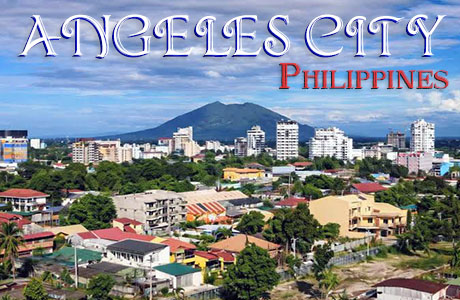
NOTE: You are in Manila, staying at a hotel in the Makati Poblacion area on Burgos Street—P. Burgos Street, that is; the other Burgos, a few kilometers away, is basically a deserted alley. Nearby you have shopping malls, bars, and restaurants all within a few minutes’ walk. During the day you enjoy the sun by the pool, then after midnight you head to Royal nightclub, and maybe later to Secret Doors, a sort of disco pub, for some after-hours fun. Or you go straight for the strip bars, such as Maison, Lips, or Neon. Maybe, if you are looking for something more upscale—and are willing to spend much more—you take a taxi and head over to Xylo, one of Manila’s trendiest clubs. That could pretty much sum up a typical day on a “ForMen” holiday in the Philippines. Another interesting city is Angeles City, where around Walking Street you can find just about everything and have a good time without too much hassle, at reasonable prices. Always be careful not to fall for the “buy drinks for my friends too” routine when you approach a girl in a club or other venue, because working girls can be quite crafty, especially with visitors who are only passing through. As for safety in general, as long as you stay in tourist areas and do not wander around alone in rough neighborhoods—especially at night, but not only then—basic common sense and keeping a low profile are usually enough. But as the saying goes, “trust is good, not trusting is better,” so have fun, but stay alert. Manila is still a chaotic city and can be potentially risky, especially for people who do not know it well.