Vietnam for Single Men
Guest-friendly hotels, nightlife, Hot Toc, KTV, money, SIM cards and practical advice for planning a holiday in Vietnam without wasting time in the wrong places.
First time in Vietnam: what to expect
Vietnam can be a very interesting destination for a single male traveler, but you need to arrive with the right expectations. The first thing to understand is that it isn’t simply a cheaper version of Thailand. You won’t find an obvious, openly advertised nightlife scene designed around foreign tourists everywhere you go. Vietnam is more discreet, more fragmented and often less intuitive, especially on your first trip.
That doesn’t mean there’s any shortage of bars, clubs, massage parlors or opportunities to go out in the evening. It simply means that knowing where to go, where to stay and what to do matters considerably more here.
Saigon is the liveliest city, with rooftop bars, beer clubs, Bui Vien, Japan Town, widely used dating apps and a nightlife scene far more extensive than anywhere else in the country. Da Nang, on the other hand, offers beaches, modern hotels, generally more manageable costs, restaurants, massage parlors and a very pleasant quality of life. Hanoi is probably the most interesting city from a historical and cultural point of view, but it’s less straightforward for anyone who considers nightlife an important part of the holiday.
For a first holiday in Vietnam as a single man, the priorities are fairly simple: choose the right city according to the number of days available, book a hotel in the right area, check its guest policy in advance, arrive with internet access and some cash already available, use Grab rather than taking chances with random taxis, behave discreetly and avoid venues or situations where prices and arrangements aren’t clear before you begin.
This isn’t meant to be yet another guide made up entirely of temples, trekking and postcard photographs. Here we’re mainly talking about urban Vietnam: how to organize your trip, where to stay, how to get around, where to go out at night and how the parts of the nightlife scene that interest single male travelers actually work.
Which itinerary should you choose for your first trip?
If you only have a few days, don’t make the mistake of trying to see everything. Vietnam is a long country, and travelling between destinations takes more time than you might expect from looking at a map. It’s much better to properly enjoy one or two cities than spend half your holiday between airports, taxis, check-ins and suitcases. Otherwise, you’ll end up remembering more boarding gates than Vietnam itself.
5–7 days – Saigon (Ho Chi Minh City)
The easiest choice if you’re short on time. You arrive, settle in and immediately have plenty of interesting things to do without wasting entire days travelling.
8–14 days – Saigon + Da Nang
Probably the most balanced combination: Da Nang adds beaches, relaxation and a completely different atmosphere.
15–21 days – Saigon + Da Nang + Hanoi
Adding the capital gives you history, culture, street food, the atmosphere of northern Vietnam and a more complete picture of the country.
21+ days – Saigon + Da Nang + Hanoi + Nha Trang, Phu Quoc or another stop
With three weeks or more, you can afford a few quieter days without turning the entire trip into a race.
For a first visit, I consider Saigon and Da Nang the simplest combination. On one side you have a genuine metropolis; on the other, a modern and relaxed seaside city.
If your flight arrives in Hanoi instead, you can organize the trip in the opposite direction, combining Hanoi and Da Nang and perhaps adding Saigon if you have enough days. The important thing is not to cram five cities into ten days just because they look close together on the map.
Ho Chi Minh City / Saigon
Ho Chi Minh City is still commonly called simply Saigon by a great many people, and it’s probably the easiest city to start with.
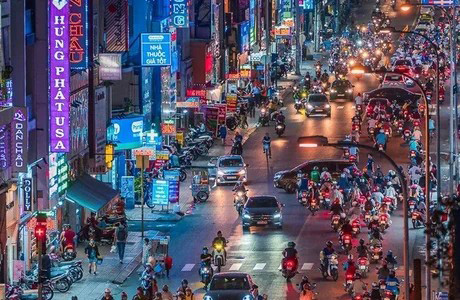
It’s big, noisy, hot, full of motorbikes and constantly on the move. It isn’t orderly in the traditional sense, but it has an energy you can feel immediately.
For a single traveler, it’s also the Vietnamese city with the greatest variety. You’ll find everything from ordinary bars and hostess clubs to massage shops and beer clubs, particularly in areas such as Bui Vien and Japan Town, with venues of every kind and hotels in every price category.
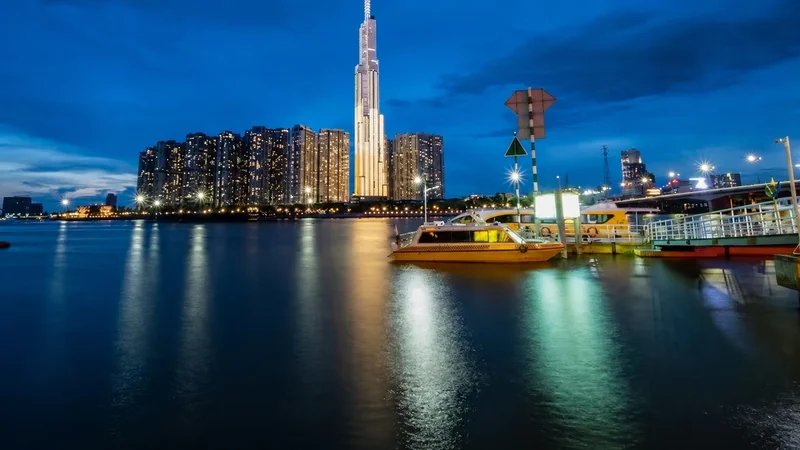
The main areas worth knowing are District 1, Nguyen Hue, Dong Khoi, Ben Thanh, Bui Vien, Le Thanh Ton and Japan Town, along with District 3 and Thao Dien.
For your first trip, District 1 remains the easiest base. If you’re looking for a slightly more adult and discreet atmosphere, however, Le Thanh Ton and Japan Town definitely deserve some attention.
Where to stay in Saigon
In Saigon, hotel location matters quite a lot. A cheap room in the wrong area can turn every evening into wasted time and a complete loss of enthusiasm for going out.
A slightly more expensive hotel in the right location, on the other hand, can make a huge difference to your holiday.
District 1 / Bui Vien
Probably the easiest option for a first trip. Plenty of restaurants, rooftop bars, Ben Thanh Market, shopping malls, spas, currency exchange offices, bars and hotels, all within easy reach.
The main advantages are location and convenience. The disadvantages are noise on certain streets, a very tourist-oriented atmosphere and prices that aren’t always particularly cheap.
Nguyen Hue / Dong Khoi
If you want to stay in the city centre without living directly in the chaos of Bui Vien, this is an excellent alternative.
You’ll find several rooftop bars, good-quality hotels, restaurants, shopping and more orderly streets. Let’s say it’s a particularly suitable area if you prefer starting your evening with dinner or a drink in slightly more refined surroundings.
Le Thanh Ton / Japan Town
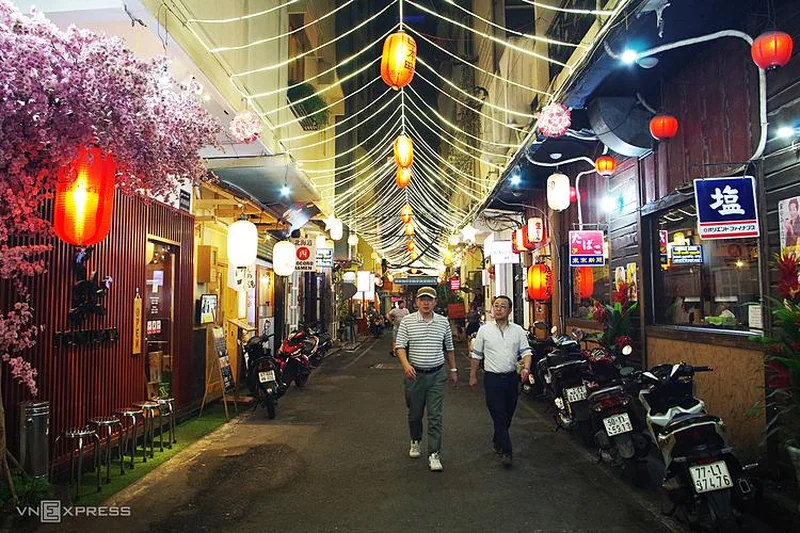
This is one of the most interesting areas for anyone who prefers a more discreet side of Saigon.
Japanese restaurants, small bars, hostess bars, KTV venues, massage shops and a clientele consisting mainly of expats, business travelers and tourists who already know the city reasonably well.
Don’t expect huge signs or a street where everything is immediately obvious. Here you need to walk around, observe and figure out which places are worth entering.
And that’s precisely why it can become more interesting than Bui Vien after your first few days, once you’ve started getting familiar with the city.
To check which properties accept guests without additional charges or unclear restrictions, you can browse the selection of guest-friendly hotels in Ho Chi Minh City on GuestFriendlyAsia.
Da Nang
Da Nang is completely different from Saigon. It’s simpler, less chaotic and much more relaxed.
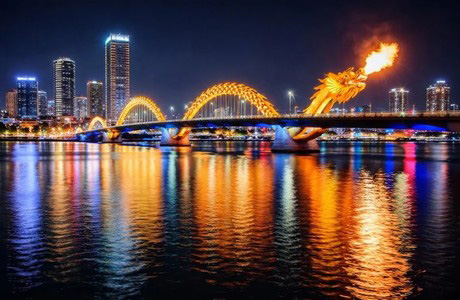
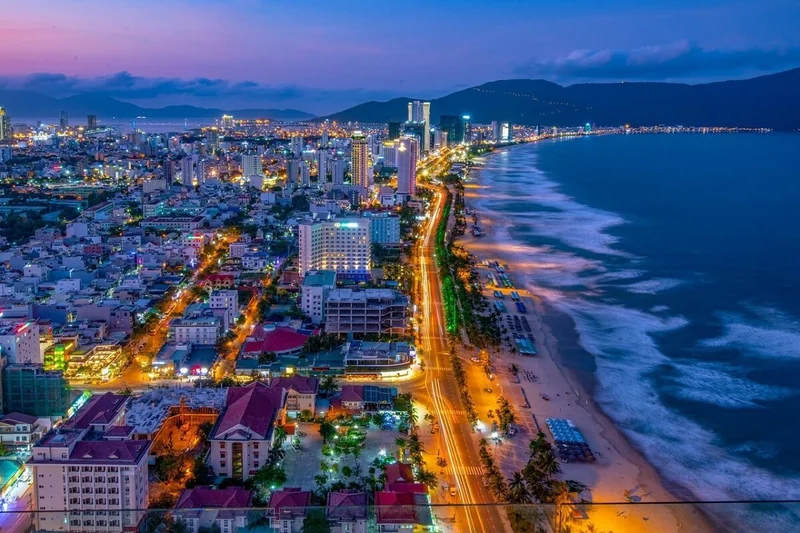
You have the sea right in front of you, modern hotels, wide streets, restaurants, cafés, massage parlors and a fairly visible international community.
However, if you’re used to places like Bangkok or Pattaya in neighbouring Thailand, don’t expect anything remotely similar. Nightlife certainly exists, but it’s much less obvious.
Vietnam takes a considerably more discreet approach to everything connected with adult entertainment, and Da Nang perfectly reflects this characteristic.
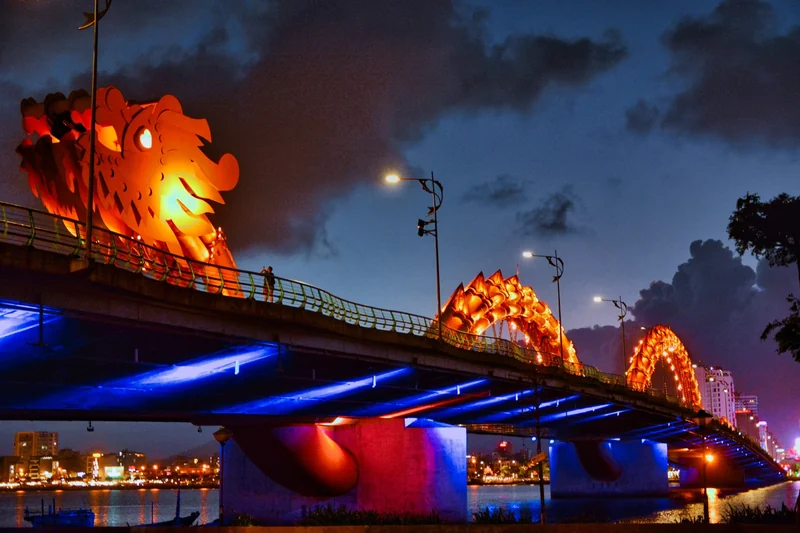
The main areas are My Khe Beach, An Thuong, Han River and Son Tra. Hoi An isn’t part of Da Nang, but it’s close enough to be easily included as a day trip or a different kind of evening out.
Da Nang is particularly suitable if you want to combine beaches, massages, a few bars and other venues with quieter days and entertaining evenings, without the stress of a huge metropolis.
Where to stay in Da Nang
My Khe Beach
This is the most straightforward beach area, with the beach itself, modern hotels, minimarkets, cafés, restaurants and useful services all within easy reach.
During the day you can spend time by the sea or relax, while in the evening you can head towards An Thuong, the Han River or one of the venues along the coast.
An Thuong
Probably the most practical area if you want to be able to go out on foot.
You’ll find international restaurants, small bars and the beach just a short distance away. It isn’t an extreme nightlife district, but it’s convenient and pleasant to stay in.
Han River
More urban and less beach-oriented.
There are several good-quality hotels with rooftop bars and restaurants, conveniently located for reaching different parts of the city. It can be an interesting choice if you prefer a city atmosphere to the classic beach area.
Hoi An
It isn’t Da Nang, but it’s close enough to be well worth visiting.
It’s picturesque, touristy and full of lanterns, restaurants and little venues. Perfect for a quiet or romantic evening if you’ve already found some company; considerably less suitable if your main goal is to explore nightlife on your own.
For accommodation, you can check the guest-friendly hotels in Da Nang on GuestFriendlyAsia.
Hanoi
Hanoi has a completely different character. It’s more traditional, more cultural, more fascinating and less straightforward.
There is nightlife, but you have to look a little harder for it. It isn’t the city I would choose exclusively for nightlife or adult entertainment, but it would be a shame to spend several weeks travelling around Vietnam without visiting it.
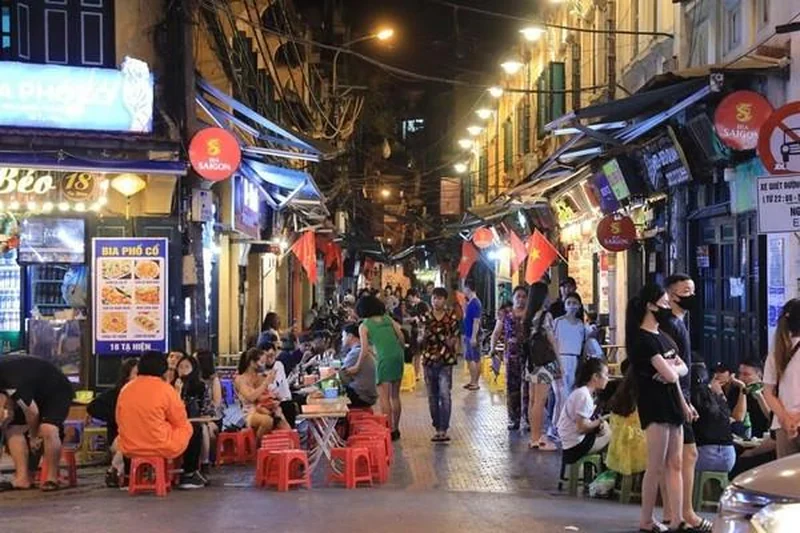
The easiest areas for a first trip are the Old Quarter and Hoan Kiem if you want restaurants, street food, bars and venues within walking distance.
Tay Ho, on the other hand, has a stronger expat presence, a more relaxed atmosphere and can be interesting if you’re staying for several days.
Hanoi works particularly well if you prefer combining culture and good food with walking around the city and a few evenings out.
If your trip is mainly dedicated to other, more pleasure-oriented evening activities, however, Saigon remains the easier option.
Here too, you can check the guest-friendly hotels in Hanoi on GuestFriendlyAsia before deciding where to book.
Nha Trang
Nha Trang is less interesting for nightlife and For Men activities, but it still deserves a mention.
It’s the country’s most visited seaside resort and the starting point for excursions to the various islands in the bay.
In the past, its nightlife was probably livelier, partly thanks to the large number of Russian and Chinese tourists.
Today it can still be an interesting destination if you’re looking for white beaches and coral reefs; rather less so if you’re looking for something else…
The most convenient areas are the central streets around Tran Phu, Biet Thu and Hung Vuong.
I wouldn’t choose it as my first destination for discovering Vietnamese nightlife, but it can work very well as a relaxing stop during a longer trip, especially if you need to slow down a little after Saigon.
Guest-friendly hotels in Vietnam: what you need to know
In Vietnam, hotel guest policies are less standardised than in Thailand.
A guest-friendly hotel is simply a property that allows you to bring a registered guest to your room without charging extra fees or creating unnecessary problems.
The point is that rules in Vietnam can vary considerably from one property to another.
Some hotels are accustomed to foreign guests looking for company and handle everything without complications. Others are stricter, more family-oriented or simply less clear about their policies.
Problems you might encounter
- Additional charges for unregistered guests.
- Restrictions on guest access during the night.
- Reception staff asking questions or requiring additional registration.
- Unclear guest policies or rules different from what you expected.
To minimise problems, book your room for two people, favour hotels with 24-hour reception, read recent reviews whenever possible and check the property’s actual location.
A cheap room on the wrong side of the city can cost you far more in transportation, time and patience than whatever you thought you were saving.
For hotel searches, there are specialised websites such as GuestFriendlyAsia.com, which lists selected properties in Vietnam’s main cities as well.
Documents and entering Vietnam
To enter Vietnam, you need a valid passport in good condition.
Italian citizens currently benefit from visa-free entry for stays of up to 45 days. Your passport must also have at least six months of remaining validity when you enter the country.
For longer stays, Vietnam offers an eVisa valid for up to 90 days, with single-entry or multiple-entry options.
Immigration regulations can obviously change, so before travelling always check with the embassy, the official eVisa portal and the Italian Ministry of Foreign Affairs’ Viaggiare Sicuri website.
You’ll also need your passport for hotel check-in, domestic flights, potentially buying a SIM card, exchanging currency, renting vehicles and identity checks.
It’s worth keeping a digital copy on your phone and a separate paper copy. Whenever you don’t need to carry it, the original can stay in your hotel safe.
Losing your passport during a holiday in Vietnam is an excellent way to become familiar with embassies, consulates and police stations. Better not risk it.
The first 24 hours: what to do when you arrive
The first day is when you’re most likely to make stupid mistakes.
You’re tired, you don’t yet understand the value of the dong (VND – Vietnam’s currency), there’s traffic and motorbikes everywhere, and the moment you walk out of the airport someone wants to sell you a taxi ride, a SIM card, currency exchange or some other service.
The first thing to sort out when you arrive is internet access, with a SIM card if you haven’t already bought an eSIM before departure. Then exchange a small amount of money and use Grab or a regular taxi to reach your hotel.
Once you’ve checked in, you can put your passport and cash somewhere safe and take a relaxed first walk around the neighbourhood to get your bearings.
You don’t need to conquer Vietnam on your first day. You simply need to figure out where you are and have a look at what’s around you.
Everything else can wait a few hours.
Cash, cards and currency exchange
Cash is still very important in Vietnam.
Cards work perfectly well in hotels, shopping malls, tourist restaurants and more established venues, but for street food, markets, bars, taxis, tips, massages and certain other activities, you’ll need some cash in your pocket.
A trip of around 7 days
Allow approximately €120–200 (3,500,000–5,900,000 VND) per day, excluding accommodation.
On a short trip, you tend to pack more activities, restaurants, nightlife and experiences into the same period.
A trip of around 15 days
An approximate budget might be €90–160 (2,600,000–4,700,000 VND) per day.
With more time available, it’s easier to alternate expensive days with quieter ones.
A trip of around 30 days
You can potentially bring your daily budget down to around €70–120 (2,000,000–3,500,000 VND), especially once you start adopting a less tourist-oriented, more local routine.
Vietnam can be very cheap if you eat local food, choose simple hotels and don’t expect too much.
It becomes considerably less cheap if you want higher-end surroundings, services and company.
As always, it depends more on you than on the country.
Currency exchange
At the airport, I would exchange only a small amount to cover the first expenses.
Once you’re settled in the city, you can take your time looking for better rates.
In Saigon, many travelers exchange money around Ben Thanh and District 1. In Hanoi, you can stick to the central areas, while in Da Nang things are generally fairly straightforward.
Whatever option you use, always count your banknotes at the counter.
The dong has a lot of zeros, and at first it’s easier to get confused than you might think.
ATMs and bank cards
ATMs are convenient, but they may charge fees and have different withdrawal limits.
I’d bring at least two cards, preferably from different payment networks, and avoid keeping all your cash, cards and passport in the same place.
If you lose one thing, you don’t want to lose absolutely everything.
SIM cards, eSIMs and essential apps
As with almost any trip abroad, having internet access as soon as you land is a major advantage.
You’ll need it for apps such as Google Maps to find your way around or WhatsApp to contact people when necessary, but also to book a taxi through Grab or simply check your hotel reservation.
The best-known mobile operators are Viettel, Vinaphone and Mobifone.
Buying a SIM card at the airport is probably the easiest option on your first trip. If your phone supports eSIMs, you can instead arrive with internet access already set up.
You’ll almost certainly already have Google Translate, Maps and WhatsApp on your smartphone, but before leaving I’d install at least Grab, Zalo (the Vietnamese equivalent of WhatsApp) and, just to be safe, your banking and travel insurance apps if you don’t already have them.
The important thing is not to find yourself standing outside the airport at two in the morning after a twelve-hour flight trying to figure out how Grab works.
Getting around Vietnam
Grab is probably the easiest solution for most urban journeys.
It’s convenient to use and saves you from negotiating fares, misunderstandings about addresses and arguments over the taxi meter.
You can choose between a car and a motorbike depending on your needs, although when it’s raining or you’re carrying luggage, a car is obviously the more sensible choice.
If you prefer traditional taxis, choose official ones or ask your hotel to arrange one.
At the airport, I’d avoid people approaching you while insisting that their taxi offers a “special price for you”, because usually the special part is how badly you’re getting ripped off.
Vietnam is a very long country, so domestic flights can be the most practical option for travelling between Saigon, Da Nang, Hanoi, Nha Trang and Phu Quoc.
Don’t underestimate distances just because two cities look relatively close together on the map.
Many tourists also rent scooters, but that doesn’t automatically make it a good idea.
Traffic, driving licence requirements, insurance and the risk of accidents all need to be taken seriously.
On a first trip, especially in Saigon and Hanoi, I would personally use Grab and walk whenever possible.
Behaviour, discretion and local culture
Being discreet goes a long way in Vietnam.
Politeness and calm generally work better than arrogance and arguments.
Say hello and thank you, avoid shouting in public, don’t photograph people without permission and be careful around military or sensitive areas.
At temples and pagodas, dress appropriately and remove your shoes or hat when required.
It’s also best not to show off large amounts of money, avoid pointless arguments about local politics and stay completely away from drugs.
Discretion is important in certain types of venues and bars as well, especially when you meet a young lady willing to accompany you back to your hotel.
Nightlife in Vietnam: realistic expectations
Vietnam absolutely does have nightlife. It simply doesn’t work the same way everywhere.
Saigon offers the greatest variety, Da Nang is much quieter and more holiday-oriented, Hanoi is more cultural and less straightforward, while Nha Trang can offer some interesting evenings depending on the time of year.
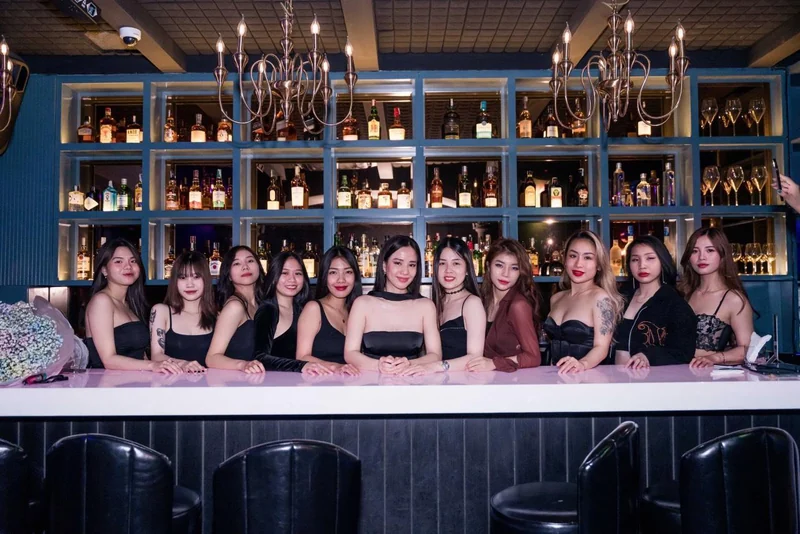
In Vietnam you’ll find rooftop bars, beer clubs, cocktail bars, nightclubs, tourist bars, hostess bars, KTV venues, massage shops, expat events and, of course, dating apps.
There are also some typically Vietnamese forms of entertainment worth knowing about, such as hớt tóc, bia ôm, cà phê ôm and karaoke ôm.
The main rule remains the same: understand where you’re going, what the venue actually offers and how much it costs before you get involved.
If the prices, atmosphere or proposed services aren’t clear, move on.
There are enough places around that you shouldn’t have to convince yourself that “maybe it’ll be fine”.
Paying for Sex in Vietnam: an important clarification first
Here we need to make an important distinction compared with Thailand.
Prostitution is illegal in Vietnam, and purchasing sexual services is subject to administrative penalties.
Under the regulations currently in force, anyone purchasing a sexual service faces a fine of 1,000,000 to 2,000,000 VND, with higher penalties in certain circumstances.
Much more severe sanctions also apply to activities such as facilitating prostitution, protecting such activities or operating a commercial business based on prostitution.
This also helps explain why the Vietnamese scene is much less explicit than the Thai one.
You won’t find signs, standardised price lists and arrangements that are immediately recognisable to foreign tourists everywhere you go.
Instead, much of the activity revolves around apparently ordinary venues, bars offering company at the table, karaoke, massages and arrangements that may take place outside the establishment’s official services.
So don’t assume that a KTV, massage parlour, hostess bar or Hot Toc automatically offers sexual services.
In Vietnam, the situation can be completely different from one place to another.
Hớt tóc / Hot Toc
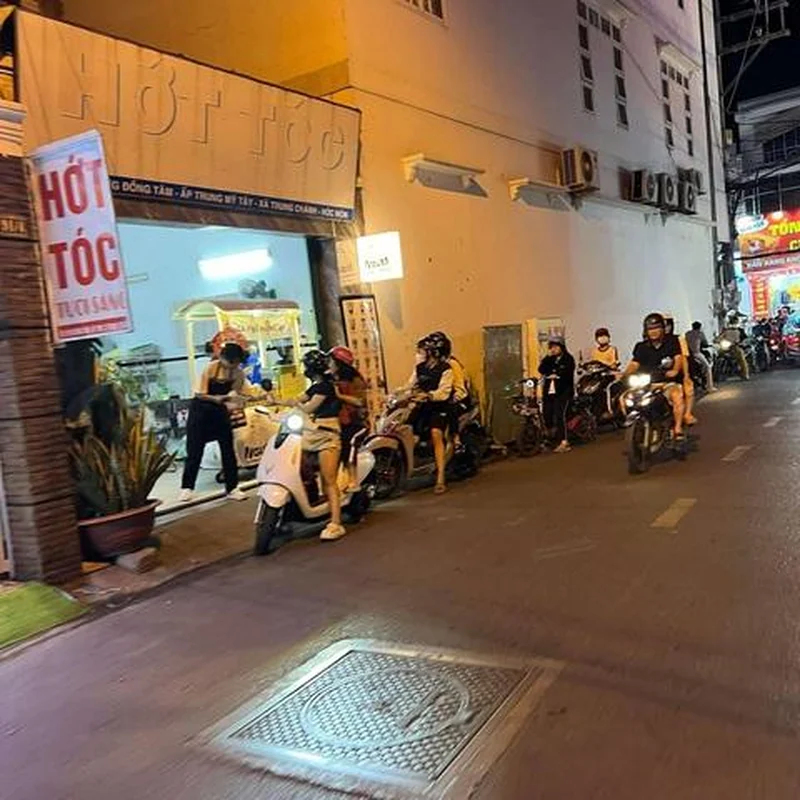
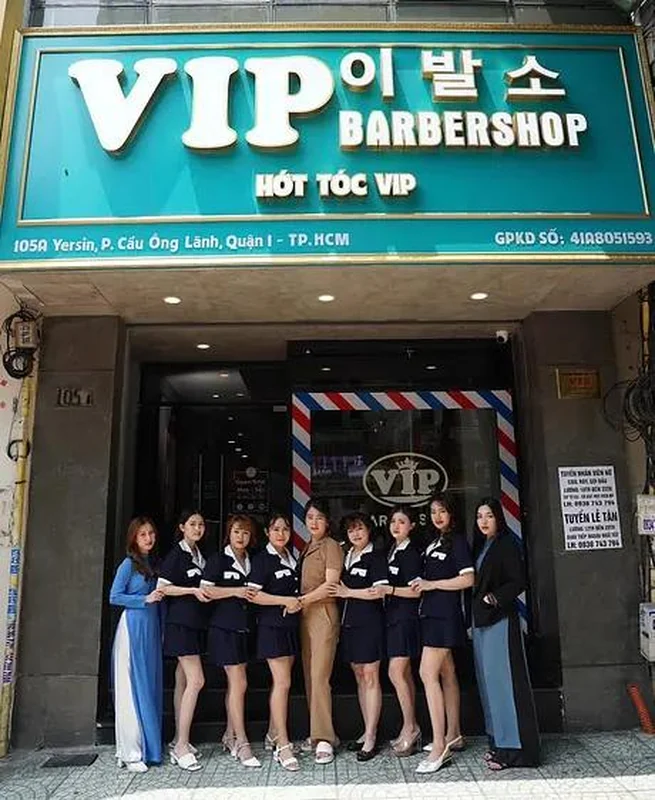
One of the most characteristic businesses in southern Vietnam is the hớt tóc, a term that simply means “haircut” and that foreigners often write without the accents as Hot Toc.
This is worth clarifying because seeing hớt tóc written on a sign doesn’t necessarily mean you’re standing outside an erotic establishment.
In fact, most of the time it’s simply a barber shop.
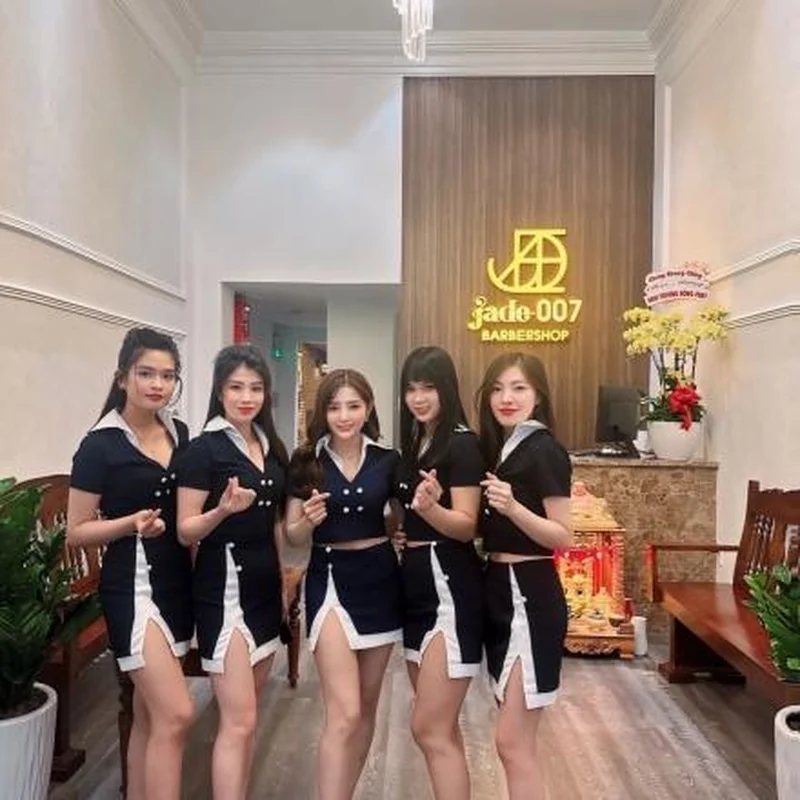
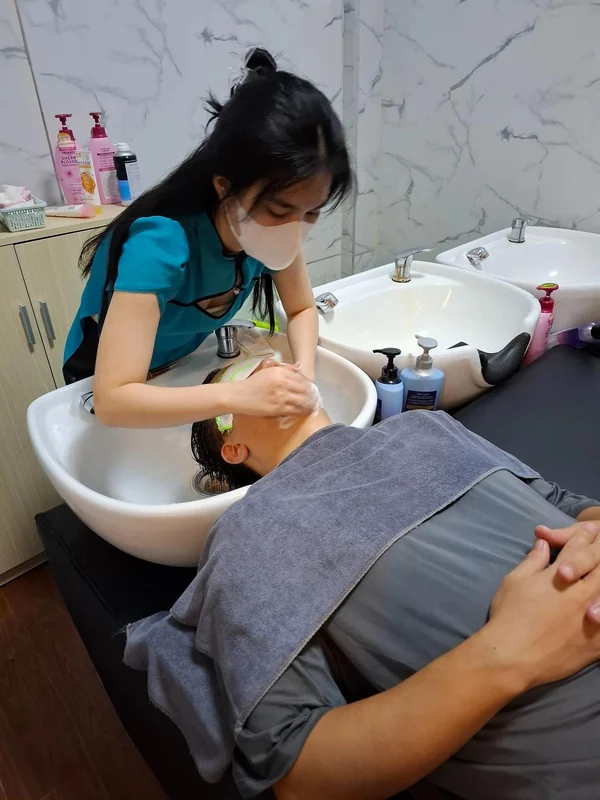
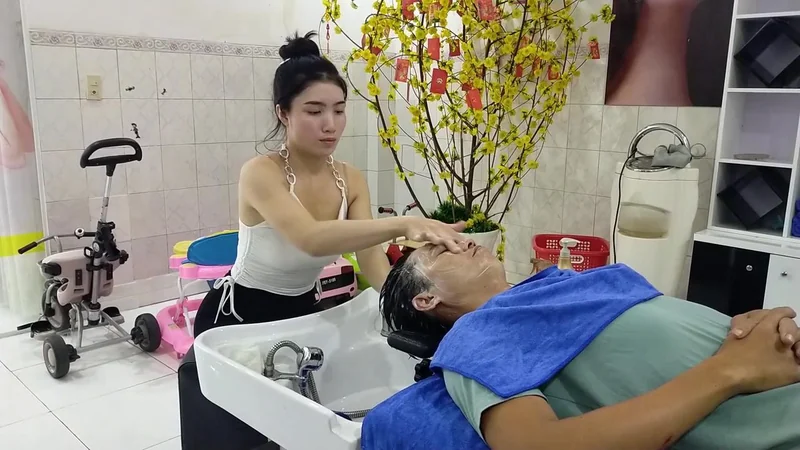
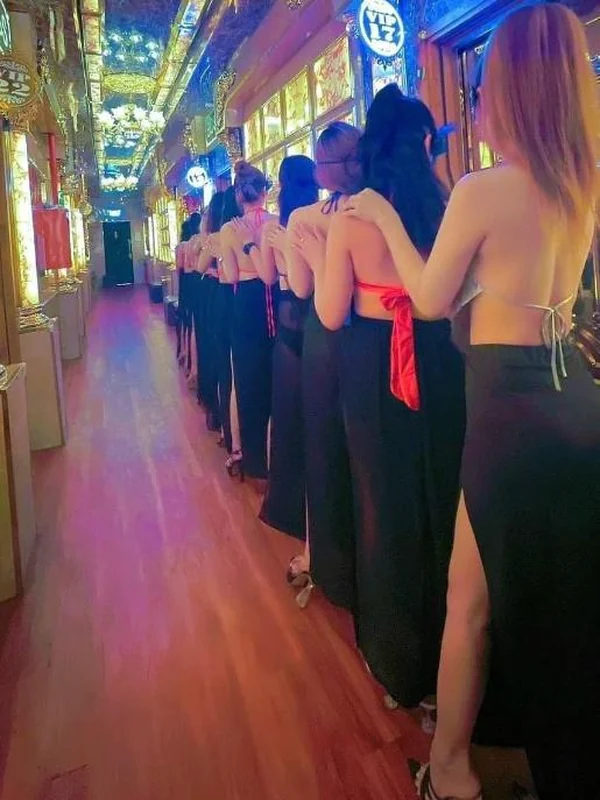
However, Saigon also has a tradition of barber shops staffed by women, where a normal haircut may be combined with shampooing, shaving, ear cleaning, facial treatments and head, neck and shoulder massages, sometimes alongside services much more focused on the pleasure of male customers.
You’ll also find packages advertised locally as hớt tóc gội đầu từ A đến Z, meaning barber shops offering complete personal grooming packages.
Some of these establishments have female staff and a deliberately suggestive atmosphere, so much so that the term Hot Toc has increasingly become associated with adult-oriented sexual services.
However, there is no standard definition separating the different categories.
You might find an ordinary neighbourhood barber, a well-appointed men’s grooming salon or something rather more ambiguous that includes other pleasures.
To avoid getting it completely wrong and wasting time wandering around, the areas historically associated with this type of business in Saigon include Nguyễn Phi Khanh, Nguyễn Cư Trinh and certain smaller streets within District 1.
Names that have been mentioned for years include Thien Huong, Hoai 42, Van An and Huynh Phuc Khang.
I wouldn’t consider any of these names permanent, though. A Hot Toc can change management, its service formula or its staff much faster than a large hotel or restaurant.
In this case, the street often matters more than the individual business.
If you want to understand how it works, take a walk around the area in the early evening and see what’s actually open, what kind of customers go inside and which services are advertised.
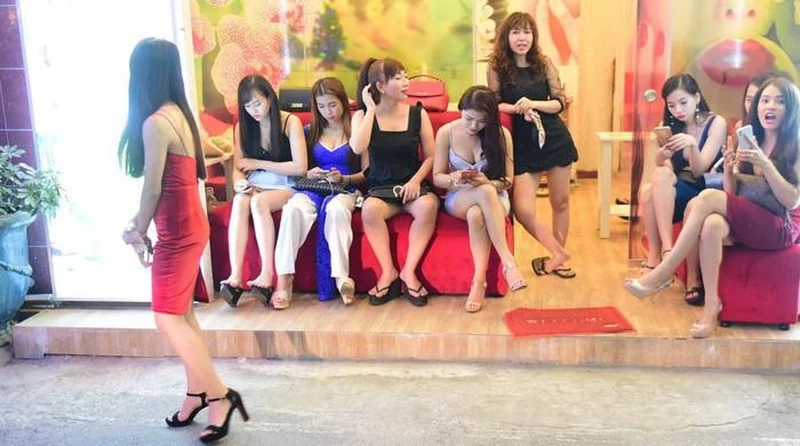
Although, generally speaking, you can get a pretty good idea just by looking at the clothing and attitude of the young ladies inside and outside the shop.
Bia ôm
Bia ôm literally means something like “hugging beer”, and it’s a typically Vietnamese form of entertainment.
Essentially, these are venues where hostesses sit with customers, pour drinks, chat and keep them company at the table, with a greater degree of physical contact than you would expect from an ordinary waitress.
You could think of it, allowing for all the differences, as a kind of local predecessor to the modern hostess bar.
Historically, this type of establishment has been aimed more at Vietnamese customers than international tourists, and some venues can be difficult to recognise if you don’t know the area.
The basic service involves company, drinks and entertainment.
However, the term bia ôm is also frequently associated with situations where the boundary with paid sex becomes less clear.
That doesn’t mean every establishment works the same way or that every hostess is available for encounters outside the venue.
Traditional bia ôm establishments aren’t concentrated in central tourist areas like the bars on Bui Vien.
Part of this scene is found instead in more local neighbourhoods and along streets frequented mainly by Vietnamese people, particularly around Tân Bình, Bình Thạnh and Phú Nhuận.
That’s also why I wouldn’t consider them the easiest choice on your first trip.
The language barrier is often greater, prices can be harder to understand and you won’t necessarily find an English menu explaining how everything works.
Cà phê ôm
The same concept gives us cà phê ôm, literally “hugging coffee”.
These are small establishments where customers are entertained by female staff in surroundings that are generally simpler than those of a KTV or hostess bar.
Here too, the word ôm, meaning “hug”, refers to the company and physical contact that distinguish these venues from an ordinary Vietnamese café.
The level of service varies considerably, and there is no standard formula.
It’s mainly a local phenomenon and quite far removed from the modern coffee shops found in central Saigon or Hanoi.
Still, it’s worth knowing that it exists, if only to better understand certain terms you may come across when talking to Vietnamese people or reading local forums and guides.
Karaoke ôm and KTV
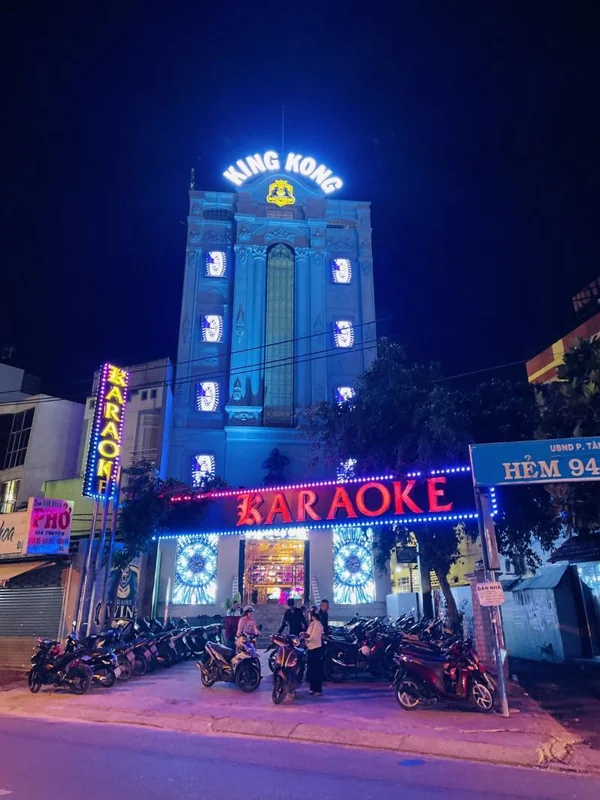
KTV is probably one of the most important things to understand if you want to explore the less tourist-oriented side of Vietnamese nightlife.
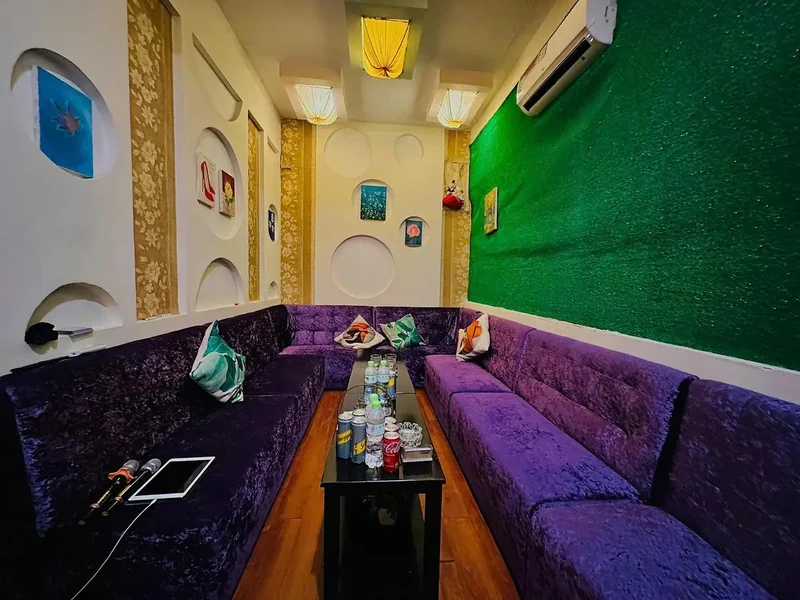
Officially, it’s classic karaoke: you book a private room, order drinks, bottles or food and spend the evening with your group.
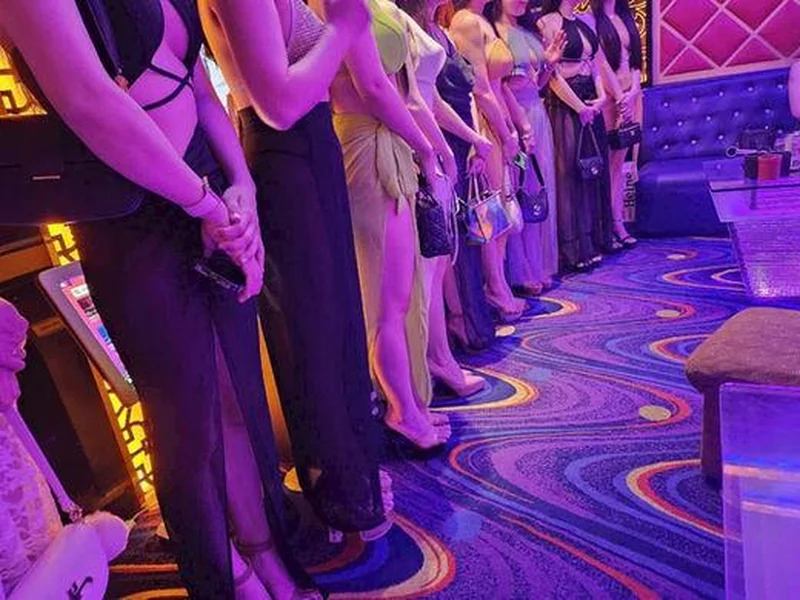
However, in many KTV venues aimed at male customers, hostesses are also part of the experience.
The girls may sit with customers, pour drinks, sing, chat and keep them company throughout the evening.
When this aspect is particularly prominent, the expression karaoke ôm is also used.
The final bill may include the room, drinks, bottles, food, service charges, tips and fees relating to the hostesses’ company.
It’s therefore one of those environments where knowing how much you’re spending before ordering is especially important.
In Saigon, you can start with names such as Avatar Karaoke, in the Phạm Viết Chánh area, or Kingdom Karaoke, also in the same neighbourhood.
These are large establishments that can help you understand the Vietnamese KTV format: private rooms, impressive sound systems, bottles, food and evenings that can last until very late.
Not all KTV venues have the same clientele or business model, so the name “KTV” alone won’t tell you exactly what kind of evening you’re going to have.
Still, it’s a reference point for a particular type of entertainment that may or may not offer access to more adventurous services.
At the right price, of course.
In Da Nang, one of the best-known names is The 9 KTV, in the Lý Thánh Tông area.
Another reference is Queen Palace Karaoke, on Xô Viết Nghệ Tĩnh.
Da Nang has a fairly visible KTV scene that’s also popular with Korean and other Asian customers, but it remains less straightforward than Saigon for visitors unfamiliar with these distinctly Asian entertainment venues.
Hostess Bars
Small hostess bars are particularly common around Le Thanh Ton and Japan Town in Saigon.
Compared with large KTV venues, they’re generally much smaller and feel considerably more like ordinary bars.
The girls sit with customers, chat, drink and may receive drinks or tips.
Historically, these venues have been popular with Japanese and Korean customers, expats and business travelers, although many are now accustomed to Western visitors as well.
The concept may vaguely resemble the classic Thai Beer Bar, but the atmosphere tends to be more discreet and less explicit when it comes to certain services.
Here too, company inside the bar is an openly advertised part of the experience, while any potential encounter outside the venue is arranged directly with the ladies and requires a certain level of discretion.
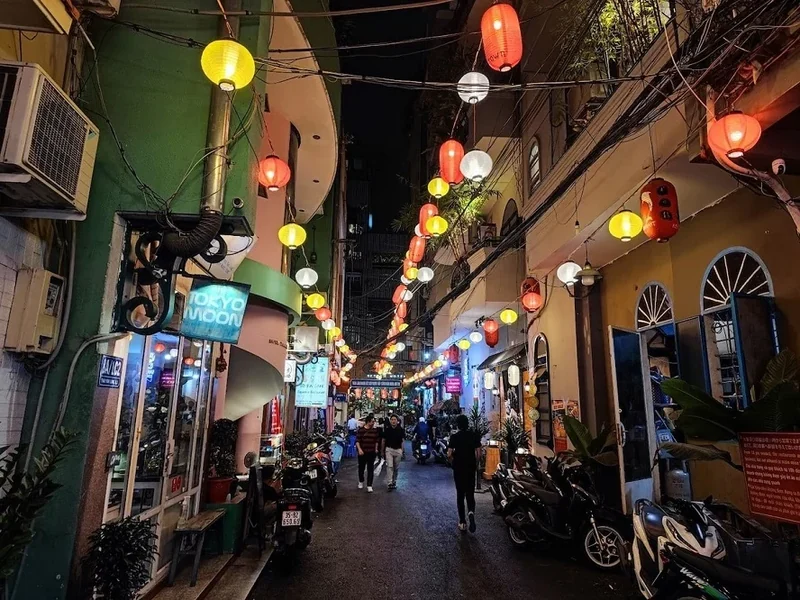
The heart of the scene lies in the alleyways around Le Thanh Ton, especially around 15A, 15B, Thai Van Lung, Ngo Van Nam and Thi Sach.
You don’t necessarily need to arrive with a specific venue in mind.
A walk through the area reveals a steady concentration of small establishments, often with discreet signs and narrow entrances.
Some of the better-known names include Dollhouse Bar, on Thai Van Lung, and Kim’s Tavern, on Huynh Thuc Khang.
Kim’s Tavern has a much more explicit gentlemen’s/girly-bar atmosphere, while Dollhouse more closely resembles the small Japan Town bars with female staff and an international clientele.
In the same area you’ll also find Angel Bar and other small hostess bars, which can change management or names fairly easily.
Japan Town is probably the best place to turn up without a specific plan, take a walk and choose whichever venue catches your eye.
Massage Shops
Vietnam has an enormous number of perfectly professional spas and massage shops, so the word “massage” alone doesn’t necessarily mean a Happy Ending or paid sex.
It may refer to an inexpensive foot massage, a high-quality wellness centre, a traditional massage or a business mainly aimed at male customers without openly advertising anything unusual.
In the major cities, however, there are also massage shops with a more suggestive appearance and services that aren’t always easy to understand from outside.
Some promoters use vague expressions or promise a “special massage” without going into much detail.
In Saigon, you’ll find quite a few around District 1, Japan Town and the side streets off Le Thanh Ton and Thai Van Lung.
An example of the more barber-oriented format, focusing on shampooing and head spa treatments, is Win Barbershop, on Lê Thị Riêng, where the concept revolves around Vietnamese men’s grooming, hair washing, head massages and male beauty treatments.
It’s particularly useful for understanding that between a normal barber spa and an adult-oriented Hot Toc, there’s a whole grey area where there may be room for something extra, but the outcome is far from certain and not necessarily cheap.
Freelancers and dating apps
As in practically all of Asia, there is also an independent freelance scene that’s difficult to quantify.
You may meet independent women in bars, clubs, tourist areas or through dating apps and social media.
Here the boundary between normal dating, companionship and paid encounters can become even less obvious.
A girl you meet on Tinder or another app isn’t automatically a freelancer, and approaching her with that assumption is probably the quickest way to make a complete fool of yourself.
At the same time, there are profiles clearly used for that kind of encounter, although they’re usually easy enough to recognise after exchanging a couple of messages.
How much does adult nightlife cost in Vietnam?
Giving a precise price list for Vietnam’s adult entertainment scene is considerably more difficult than in Thailand, because the system is less standardised.
Even venues belonging to the same category can have completely different prices depending on the city, quality, clientele and what’s actually included.
Hostess Drink
Approximately 150,000–400,000 VND.
This is the drink you buy for the hostess who stays with you at the table, although prices and arrangements vary from one venue to another.
Basic KTV
Roughly 1,500,000–4,000,000 VND, including the room and basic drinks.
The price can rise quickly with bottles, food and additional services.
KTV with bottles and hostesses
A lively evening can easily reach 4,000,000–10,000,000 VND or more in higher-end establishments.
Before starting, check exactly what’s included.
Hostess Bar
There isn’t even a meaningful standard reference price.
The bill mainly depends on your drinks, hostess drinks, possible tips and the level of the establishment.
Massage Shop
A professional body massage may cost around 300,000 VND, easily rising to 800,000 VND with a Happy Ending.
Spas and higher-end establishments can exceed 2,000,000 VND.
Hớt tóc / Hot Toc
There is no universal price list.
A normal barber service can be relatively inexpensive, while more complete packages including shampooing, facials, ear cleaning and massages cost more.
The term Hot Toc alone tells you neither the price nor exactly what kind of service to expect.
Freelancers
This is probably the least standardised category of all.
Prices, arrangements and, above all, the actual nature of the encounter can vary greatly.
A realistic reference might be 800,000–1,500,000 VND for Short Time and 1,500,000–3,000,000 VND for Long Time, although prices can easily double depending on the girls and other factors.
That’s really the main difference compared with Thailand.
In Bangkok or Pattaya, you quickly become familiar with terms such as Lady Drink, barfine, Short Time and Long Time, and you can often understand how a venue works almost as soon as you walk in.
In Vietnam, you have to figure out each individual place, because the same words can refer to completely different experiences.
Saigon at night: the main areas
Bui Vien
Bui Vien is probably Saigon’s most famous nightlife street.
Noisy, chaotic and full of music, backpackers, promoters, bars and street vendors.
It’s definitely worth seeing at least once, but personally I wouldn’t spend every evening there.
It can be entertaining for having a drink and watching the action, but keep an eye on prices, your phone, your wallet, overly persistent invitations and people trying to take you somewhere else.
Nguyen Hue / Dong Khoi
Completely different.
Here you’ll find rooftop bars, cocktail bars, better hotels, restaurants, shopping and a more orderly atmosphere.
It’s a good area for starting the evening at a relaxed pace, especially when, after a few days, Bui Vien starts to feel like the same song blasting from ten different speakers.
Le Thanh Ton / Japan Town
This is a more adult and discreet area, with Japanese restaurants, small bars, hostess bars, KTV venues and massage shops.
It’s also popular with expats and business travelers, and it isn’t necessarily a place you can figure out in five minutes.
You need to walk around, take a look at what’s happening and, above all, avoid automatically following the first promoter promising you “the best place”.
The 15A and 15B alleyways and the area between Thai Van Lung, Ngo Van Nam and Thi Sach have the greatest concentration of venues.
Phạm Viết Chánh
This is an interesting area, especially if you want to try the KTV format.
Avatar Karaoke and Kingdom Karaoke are two fairly easy landmarks to find and give you an immediate idea of how higher-end Vietnamese karaoke works: private rooms, lighting, sound systems, bottles and a bill that depends much more on what you order than on the room itself.
Nguyễn Phi Khanh / Nguyễn Cư Trinh
If you’re interested in the Hot Toc scene, these are two areas worth keeping in mind.
Individual businesses may change, but several barber shops and hair-washing establishments aimed mainly at male customers have been reported here over the years.
It’s one of those situations where knowing the street makes more sense than relying entirely on a review of one particular place written years earlier.
Thao Dien
Thao Dien is one of Saigon’s most international and expat-oriented areas.
You’ll find cocktail bars, cafés, restaurants, events, gyms and more relaxed venues.
It’s particularly interesting if you’re staying for several days and want to get away from the purely tourist-oriented environment.
Da Nang at night: a few places worth knowing
Da Nang doesn’t have the same concentration of adult entertainment as Saigon, but it still offers a decent choice of bars, karaoke venues and other establishments.
The 9 KTV, on Lý Thánh Tông, is one of the better-known names in the KTV scene.
Queen Palace Karaoke, on Xô Viết Nghệ Tĩnh, is another very large and popular establishment.
Around An Thuong and My Khe, you’ll find simpler, more international bars, often frequented by expats and tourists, while along the Han River the scene is more focused on rooftop bars, lounges and clubs.
If you want an evening without too many complications, An Thuong is probably the most practical base.
You can have dinner, grab a drink, try a few bars and head to a KTV or towards the Han River only if you feel like continuing.
That’s also one of the reasons I consider Da Nang easier to enjoy than Saigon, even if it’s less interesting in terms of nightlife alone.
Hanoi at night: less straightforward, but far from dead
Hanoi’s adult nightlife scene is harder to figure out, so I wouldn’t try to approach it the same way as Saigon.
The Old Quarter and Tạ Hiện are the easiest areas for drinking, meeting people and getting around on foot, while Tay Ho is more international.
For a club night, you might consider Hero Club, on Yên Phụ, one of the city’s better-known names for EDM, tables and bottle service.
The KTV and hostess scene also exists in Hanoi, but it’s less accessible to Western tourists and more oriented towards local and Asian customers.
If it’s your first experience of Vietnam, I would personally treat Hanoi primarily as a destination for culture, food and urban life, leaving the more adventurous nightlife exploration to Saigon.
Common scams and how to avoid them
Vietnam is generally a manageable destination for tourists who pay attention, but minor scams certainly exist.
Among the problems you may encounter are unofficial taxis, inflated fares, promoters leading customers to venues that pay them commissions, confusing KTV bills, drinks added without explanation, massage shops offering something different from what was promised, people met online asking for money before meeting, scooter rental problems, motorbike snatch thefts, currency exchange confusion and tourist prices at markets.
The best defence is always the same: ask first and walk away when something doesn’t feel right.
If the price isn’t clear, don’t order.
If you don’t like a place, leave.
If someone is being too persistent, ignore them.
If someone you’ve met online starts asking for money, phone credit or gifts before you’ve even met, you probably already have enough information to decide what to do.
When you go out at night, don’t leave your drink unattended, avoid showing off cash and don’t follow strangers into venues of their choosing without knowing where you’re going.
Common sense, politeness and respect work pretty well on the other side of the world too.
Typical prices in Vietnam
Prices change depending on the city, season, neighbourhood and type of establishment, so treat these figures only as general guidelines.
Food and drinks
- Local beer: 25,000–70,000 VND
- Vietnamese coffee: 25,000–60,000 VND
- Street food: 40,000–100,000 VND
- Simple restaurant: 100,000–250,000 VND
- Cocktail bar: 150,000–300,000 VND
- Rooftop drink: 200,000–450,000 VND
Nightlife
- Club / Beer Club: 300,000–800,000 VND
- Bottle in a club or KTV: 2,000,000–6,000,000+ VND
- Hostess Drink: 150,000–400,000 VND
- Basic KTV: 1,500,000–4,000,000 VND
- KTV with bottles and hostesses: 4,000,000–10,000,000+ VND
Massages and Spas
- Foot Massage: 150,000–350,000 VND
- Professional Body Massage: 300,000–800,000 VND
- Higher-end Spa: 800,000–2,000,000+ VND
Transportation
- Short Grab ride within the city: 30,000–120,000 VND
Saigon tends to be more expensive in nightlife-oriented areas, Da Nang is generally easier on the wallet, while Hanoi depends heavily on the neighbourhood and type of venue.
As always, spending money isn’t the problem.
The problem is spending it without knowing what you’re paying for.
Saigon during the day: what to see
Even if you’ve mainly come for nightlife, dating and city life, it would be a shame to spend your entire holiday moving between your hotel and entertainment venues.
Among the main attractions worth considering are the War Remnants Museum, Reunification Palace, Central Post Office, Notre-Dame Cathedral Basilica of Saigon, Ben Thanh Market, Jade Emperor Pagoda and Chinatown/Cholon.
With the heat, I’d avoid cramming too many sightseeing visits into the early afternoon.
It’s much better to go out early, return to the hotel for a few hours and head out again towards evening.
Markets and street food
Ben Thanh Market is certainly the easiest and most tourist-oriented starting point.
You can also consider Ben Nghe Street Food Market, Saigon Square, Binh Tay Market and Ho Thi Ky Flower Market.
Rooftop bars
Among the rooftop venues worth considering are Saigon Saigon Rooftop Bar, Chill Skybar, Glow Rooftop, Social Club Rooftop and Banana Mama Rooftop.
Naturally, they cost more than ordinary bars, but trying at least one during your trip is definitely worthwhile.
Shopping malls
If you want to go shopping, grab something to eat or simply escape the heat and humidity for a couple of hours, you can head into Saigon Centre/Takashimaya, Vincom Center Dong Khoi, Diamond Plaza, Union Square or Estella Place if you’re in the Thao Dien area.
Checklist before departure
Before leaving, make sure you have a valid passport with sufficient remaining validity, digital and paper copies, an eVisa if required, travel health insurance, a hotel booked in a convenient area, a room reservation for two guests, some cash and at least two bank cards.
Install Grab and Google Maps, arrange a SIM or eSIM, save your hotel’s address for offline access and try to have at least your first two nights booked in advance.
Those are the nights when you need to figure out how the place works.
If you’ve sorted out the right hotel, internet access, cash and transportation, everything else becomes much easier.
Choosing the right hotel
In Vietnam, choosing a hotel isn’t simply about finding a nice room.
You need a central, practical base that suits your travel style and has a guest policy that won’t cause problems.
A hotel that’s too far away can leave you spending half your evening in Grab cars.
A hotel in the right area, on the other hand, lets you go out, return, change plans and get around without overthinking everything.
That’s why, when I’m planning a trip partly around nightlife, I’d rather spend a few extra euros on the room than choose a distant property just because it looks cheaper.
To check hotels, you can browse the dedicated GuestFriendlyAsia sections for Ho Chi Minh City, Da Nang and Hanoi.
FAQ about Vietnam for single male travelers
What’s the best city to start with?
Saigon.
It offers the greatest variety of nightlife, rooftop bars, dating opportunities, restaurants, bars and hotels.
For a first visit, it’s also the easiest city to get your head around.
Saigon or Da Nang?
It depends on the kind of trip you want.
Choose Saigon if you’re looking for action, a big-city atmosphere and more varied evenings.
Choose Da Nang if you prefer beaches, relaxation, modern hotels and a slower pace.
With at least eight or ten days, I’d visit both.
Da Nang or Hanoi?
Hanoi is much stronger from a historical and cultural perspective.
Da Nang is more focused on beaches and everyday quality of life.
If you love big cities, history and food, choose Hanoi.
If you prefer the beach, relaxation and an easier holiday, choose Da Nang.
Does Da Nang have nightlife?
Yes, it’s simply much quieter and less varied than Saigon.
It can still be an excellent destination if you want to spend the day at the beach and go out in the evening without dealing with the chaos of a huge metropolis.
Where should I stay in Saigon?
For a first trip, I’d choose District 1.
Nguyen Hue and Dong Khoi are more orderly.
Le Thanh Ton and Japan Town are more discreet and adult-oriented.
Bui Vien is great fun for going out, but not necessarily the quietest place to sleep.
Do I really need a guest-friendly hotel?
If you plan to bring guests back to your room, it’s definitely better to check beforehand.
In Vietnam, guest policies aren’t always as standardised as in other Asian destinations.
Booking a suitable hotel avoids extra charges, arguments or embarrassing situations at reception.
What does Hot Toc mean?
Hớt tóc simply means “haircut”.
In some men’s travel guides, however, the term Hot Toc is used to describe particular male-oriented barber shops that offer shampooing, facials, ear cleaning and massages performed by female staff in addition to ordinary haircuts.
It doesn’t automatically mean paid sex, and not every hớt tóc belongs to this category.
Where can I find Hot Toc establishments in Saigon?
Some of the best-known references are, or used to be, around Nguyễn Phi Khanh, Nguyễn Cư Trinh and other streets in District 1.
Names mentioned over the years include Thien Huong, Hoai 42, Van An and Huynh Phuc Khang, but management and services can change quickly in this sector.
What is bia ôm?
It’s a Vietnamese type of hostess venue where girls sit with customers, serve drinks and keep them company at the table.
The literal meaning is roughly “hugging beer”.
The level of entertainment varies from one establishment to another.
What is a KTV in Vietnam?
It’s a karaoke venue with private rooms.
Some are ordinary karaoke establishments, while others are aimed at male customers and offer hostesses who sing, drink and keep customers company.
Room charges, bottles, drinks and tips can make the bill climb considerably.
Which KTV venues are worth knowing?
In Saigon, you can start with Avatar Karaoke and Kingdom Karaoke, both in the Phạm Viết Chánh area.
In Da Nang, The 9 KTV and Queen Palace are two easy-to-find names that can help you understand the local format.
Which hostess bars should I know in Saigon?
Japan Town is the easiest area to explore.
Dollhouse and Kim’s Tavern are two familiar names, but the area’s real attraction is the sheer number of small venues hidden in the alleyways around Le Thanh Ton and Thai Van Lung.
Is prostitution legal in Vietnam?
No.
Purchasing sexual services is prohibited and subject to administrative penalties.
That’s also one reason why Vietnam’s adult entertainment scene tends to be much less explicit and standardised than Thailand’s.
Is Vietnam like Thailand?
No, and it’s probably best to stop making that comparison as soon as you arrive.
Vietnam is more discreet and less organised around nightlife tourism.
If you’re looking for Pattaya, you risk being disappointed.
If you accept Vietnam for what it is, however, it can become an extremely interesting destination.
Cash or cards?
Both.
Cards work well in hotels, shopping malls and modern restaurants.
Cash remains very useful for markets, street food, small venues, taxis, tips and everyday expenses.
Should I buy a SIM card at the airport?
For your first trip, it’s probably the simplest solution.
Alternatively, you can leave home with an eSIM already configured and have internet access as soon as you switch on your phone after landing.
Can I rent a scooter?
You can, but you need to take driving licence requirements, insurance and traffic seriously.
If it’s your first time in Vietnam, especially in Saigon and Hanoi, Grab is considerably less stressful.
A final thought on Vietnam
Vietnam really starts to make sense when you stop constantly comparing it with other countries.
If you arrive looking for Pattaya, you’ll probably be disappointed.
If you arrive expecting a cheaper Thailand, you’ll spend the entire trip making comparisons.
But if you take it for what it is, you’ll find very different destinations: Saigon for energy, restaurants and nightlife; Da Nang for beaches and quality of life; Hanoi for atmosphere, culture and history; Nha Trang or Phu Quoc for slowing down for a few days.
The nightlife scene needs to be approached with the same mindset.
Bia ôm, Hot Toc, KTV, hostess bars and massage shops aren’t simply Vietnamese versions of Thai establishments.
They developed within a different culture and operate according to different rules, customs and levels of discretion.
In the end, as often happens in Asia, the difference between an easy holiday and one full of problems comes down to a few things: a hotel in the right area, internet access as soon as you arrive, some cash, Grab, respect for local rules, prices agreed in advance and a little common sense.
Come prepared, stay discreet, don’t fill your trip with unnecessary journeys and remember the advice you were probably given as a child: don’t accept candy from strangers.
As for everything else, have a great trip.